Gas Line Replacement in Kyle
There's a point where fixing the same gas line again stops making sense — when the third repair in two years costs nearly as much as the solution that ends repairs entirely. Full gas line replacement gives your Kyle home a brand-new, correctly sized, code-compliant gas system in one project: no more patching, no more wondering what's next, just decades of reliable service.
What replacement means
A fresh start for your gas system
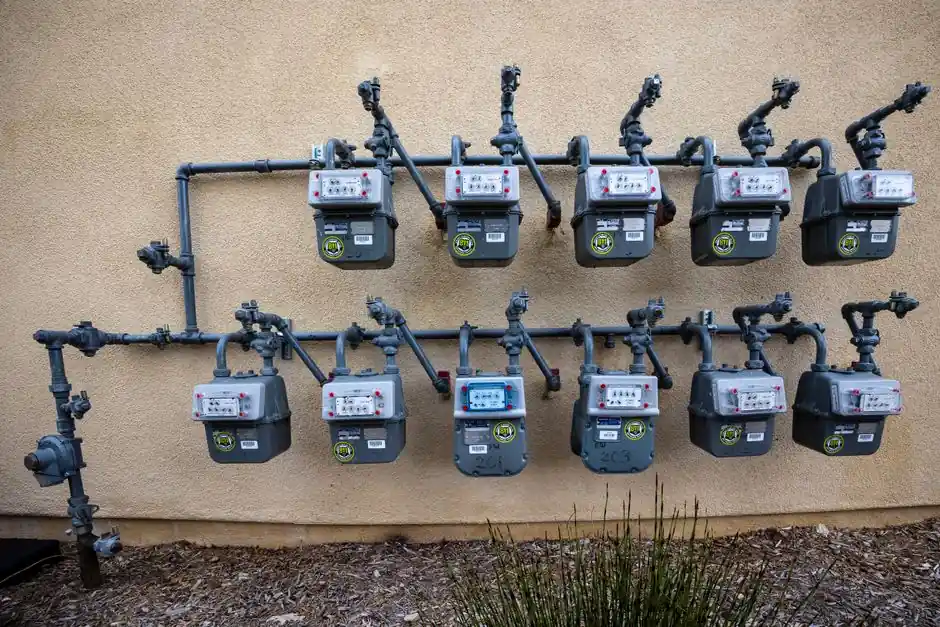
Replacement means the old, failing, or undersized gas piping comes out and a completely new run goes in — meter to appliances, sized for what your household actually uses today. Unlike a spot repair that fixes one joint, replacement solves the whole system at once: widespread corrosion, chronic undersizing, outdated materials, and the accumulated compromises of decades. It's the difference between treating symptoms and curing the condition.
Kyle's boom-era homes are now hitting the age where original gas lines show their limits. Steel installed during the rapid-growth years is developing the corrosion and joint fatigue that Central Texas clay and time produce, and many of those lines were sized for fewer appliances than a modern family runs. If your home's gas system is costing you in repeat repairs, replacement converts that drip of expenses into one planned investment.
! Signs replacement is the right call
The same line keeps leaking
When new leaks keep appearing in different spots after previous repairs, the pipe itself is failing — not the joints. Each patch buys a little time while the underlying deterioration continues everywhere else.
Corrosion you can see and feel
Heavy flaking, deep pitting, or soft spots on exposed steel mean the wall is thinning. What's visible outside is usually worse where pipe runs through soil or masonry.
Your appliances are underfed
Weak burners, a furnace that short-cycles, a water heater that can't keep up when the dryer runs — classic signs the line is undersized for your actual demand. No repair fixes sizing; only replacement does.
How we replace
Complete renewal, planned end to end
We treat replacement as a project, not a job: survey, sizing math, routing plan, permits, installation, testing, inspection, and documentation. You approve the plan before work starts and watch it execute on schedule.
-
01
Survey and sizing
Every appliance is inventoried with its BTU demand, the developed run length is measured, and the new pipe is sized to carry the full load with everything running — plus headroom for what you might add later.
-
02
Permits and code planning
The project is designed to current fuel gas code from the start: approved materials, proper supports, shutoff placement, and sediment traps — permitted through Kyle/Hays County and inspected on completion.
-
03
Full pipe renewal
Old piping is removed and new pipe installed along the optimal route — often better than the original — with protection at every penetration and transition.
-
04
Reconnect and prove
Every appliance is reconnected, the entire system is pressure-tested, each burner is verified, and you receive documentation of the whole project.
What replacement buys you
One project ends the repair cycle permanently, brings everything to current code, rightsizes the system for modern appliance loads, and gives you a documented new system that adds real value at resale. For budget-conscious families, the math that matters: compare one planned replacement against the next five years of escalating repairs — replacement usually wins by year three.
Contact us nowHow we size and verify
Load calculation sheets
The engineering behind correct sizing: BTU totals versus developed length, so the new system never starves an appliance.
Test gauges
The new installation must hold test pressure with zero drop before gas is restored — verified, not assumed.
Leak detection sweep
Every new joint and connection is checked with electronic detectors after pressurization — belt and suspenders on a brand-new system.
Threading and joining gear
Clean, precise threads and correct joint methods for steel; proper fusion for PE — the craftsmanship the next forty years depends on.
Replacement, Kyle-style
Replacing gas lines in Kyle means working with the area's realities: clay soil that fights trenching, slabs and additions that complicate routing, and homes whose gas demands have grown far beyond their original design — pool heaters, outdoor kitchens, workshops, ADUs. We plan routes that avoid the problems the original installers created and size for the household you're becoming.
We also think about timing. Replacement is disruptive for a day or two — gas is off during the work — so we schedule it when it hurts least, coordinate around your household's needs, and keep you informed at every stage. Most Kyle families are surprised how smoothly a well-planned replacement goes.
Areas we serve
- • Plum Creek
- • Crosswinds
- • Waterleaf
- • Downtown Kyle
- • Steeplechase
Before & after
The replacement decision, made clearly
Every homeowner with an aging system eventually faces the question: one more repair, or replace? Here's the honest framework we walk Kyle families through — because the right answer depends on your system, not our schedule.
Start with the pattern. A single failure on a fundamentally sound system is a repair — always. But when failures recur in different locations, that's the system telling you its service life is ending. We've watched families spend more across four “repairs” than a replacement would have cost, while living with the anxiety between each one.
Consider the disruption math too. Each emergency repair means another day without gas, another service window, another round of worry. A planned replacement is one scheduled project with a defined timeline — usually less total disruption than the series of emergencies it prevents.
And think about what's next for your home. If you're planning a remodel, adding a pool heater or outdoor kitchen, or converting appliances to gas, replacement done now — sized for the future — is dramatically cheaper than replacing later as a standalone project. The trench is open once; use it wisely.
- ▸Leaks recurring in new spots mean the piping is failing system-wide, not at one joint.
- ▸Corrosion across the system means wall thickness is going everywhere, not just where you can see it.
- ▸An undersized line can't be repaired larger — only replacement fixes capacity.
- ▸One planned project almost always disrupts less than years of emergency repairs.
Planning it with us
A measured approach to a major project
Replacement deserves deliberation, and we plan it that way: a thorough survey, honest repair-vs-replace math, a written plan with timeline, and no pressure. The decision stays yours — our job is making sure it's an informed one.
Most Kyle residential replacements complete in a focused work window once materials are staged — typically a day or two for the piping work itself, with inspection scheduled promptly after. You'll know the timeline, the gas-off window, and every step before we begin.
What the project looks like
Survey and design
We map every appliance and its demand, measure the run, and design the new system — routing, sizing, materials — for your approval before anything is ordered.
Safe changeover
Gas is shut off at the meter, the old system is depressurized, and sections are removed in sequence — cleanly, without damage to your home.
New installation
New piping goes in on the approved route with proper supports, penetration protection, shutoffs, and sediment traps — built to current code throughout.
Testing and handover
Full pressure test, electronic leak sweep of every joint, appliance reconnection with operational checks, municipal inspection, and your documentation package.
What shapes the project
Replacement scope varies with the home — and honest contractors say so upfront rather than quoting blind. What matters is the total run length and routing difficulty, how many appliances connect, whether underground sections need trenching through clay or rock, and what the new system must carry. You'll see every factor itemized in the written plan, so the quote makes sense line by line.
Length and routing
Longer runs, finished-wall routing, attics, and concrete crossings define the labor — the plan shows the exact route before you approve it.
Appliance connections
Each appliance needs its branch, shutoff, and drip leg — more gas appliances means a more capable (and more involved) new system.
Underground work
Buried sections may need trenching through Central Texas clay or limestone — we plan the least disruptive path and restore properly.
Why homeowners choose us
Because a project this significant deserves a crew that treats it as significant: real load calculations (not guesses), permits pulled without being asked, pressure testing witnessed and documented, and communication throughout. We replace gas lines the way we'd want ours replaced.
Call (512) 877-2446Frequently asked questions
How do I know it's replacement time, not another repair?
The pattern decides: recurring leaks in different locations, visible corrosion across the system, or a line that's undersized for your appliances all point to replacement. A single isolated failure on a sound system points to repair. Our survey gives you the honest read — including when repair is the right answer.
Will we be without gas, and for how long?
Yes — gas is off while the old line comes out and the new one goes in and gets tested. For most homes that's a defined window we schedule around your needs (many families plan it around a workday). Hot water and cooking pause briefly; we coordinate to minimize the impact.
What materials go into a Kyle replacement?
Black steel for interior and exposed runs, polyethylene for buried sections — the modern standard pairing: steel where it's visible and serviceable, corrosion-proof PE where it's underground. Every material is code-approved and specified in your plan.
Does this need a permit?
Yes — fuel gas piping work requires permitting and inspection through the local authority, and we handle all of it. The inspection is your independent verification that the new system meets code. Any contractor suggesting otherwise is one to avoid.
Can you route the new line better than the old one?
Often, and that's a genuine advantage of replacement. We can reroute around problem areas, improve access for future service, consolidate awkward runs, and position shutoffs where they're actually reachable. The new system doesn't have to repeat the old one's compromises.
How disruptive is the work?
Less than most homeowners expect, when planned well. The piping work itself is typically a focused one-to-two-day project; we protect floors and finishes, keep the work area contained, and restore penetrations properly. The inspection follows promptly, and then it's done — for decades.
We're adding gas appliances — should we replace the line too?
If the existing line can't carry the added load, yes — and doing it as one project is far cheaper than replacing later. We calculate your current and planned demand together and size the new system for both, so today's addition doesn't become tomorrow's constraint.
Stop repairing. Start over.
If you're tired of patching the same failing line, let's talk about ending the cycle. We'll survey your system, show you the honest repair-vs-replace math, and plan a replacement that serves your Kyle home for decades.