Gas Line Repair in Lake Kyle, Kyle, TX
Lake Kyle is the community's gathering place — the lake itself, the surrounding parkland, and the neighborhoods that grew up around them. The homes near the lake are a study in contrasts: original cottages and older houses that watched Kyle grow, alongside newer construction drawn by the water and the open space. That mix makes for interesting gas line work. Older homes carry piping from earlier eras, lake-adjacent properties face moisture and corrosion pressures that inland homes don't, and everyone shares the same Blackland Prairie clay and the same Central Texas weather. Gas Line Repair Kyle TX serves the Lake Kyle area with gas line repair, installation, leak detection, and inspection — careful, code-aware work for lakeside living.
About this area
Why gas line repair near Lake Kyle matters
Why we serve here
The Lake Kyle area asks specific things of gas systems: moisture and lakeside air accelerate corrosion on exposed components, older cottages carry piping from earlier eras, and outdoor living near the water means more buried and exposed gas infrastructure than a typical inland lot. We serve this area by leading with inspection — understanding the age, material, and exposure of every part of the system — and then repairing, upgrading, or extending it to stand up to lakeside conditions.
Gas line care for Lake Kyle's lakeside homes.
The neighborhoods around Lake Kyle developed in layers, and the gas systems reflect every one of them. Closer to the water you'll find some of the area's older homes — cottages and ranch-style houses whose gas piping went in decades ago, extended and modified as families modernized. Farther out, newer construction fills in with contemporary appliance packages and outdoor living spaces. This layered history is exactly why generic gas work doesn't suit the lake area: a repair plan has to account for what era of piping it's touching, what the lakeside environment has done to it, and what the homeowner wants the system to do next.
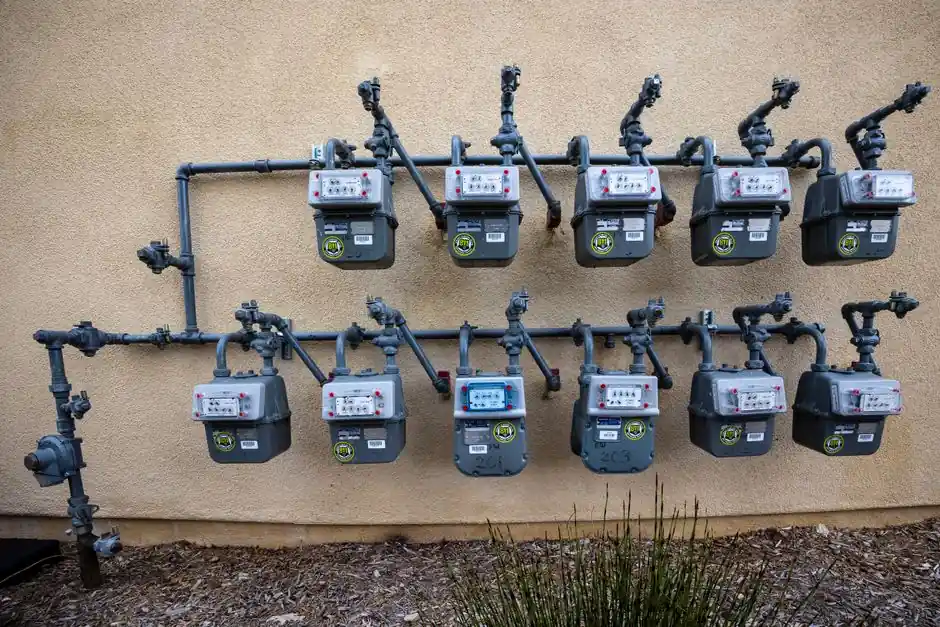
Moisture is the defining environmental factor near the lake. Water in the air, damp soil, irrigation keeping lakeside lawns green, and the occasional standing water after heavy rains all conspire against metal gas components. Exposed steel piping corrodes faster here than it does a few miles inland; fittings, shutoff valves, and meter assemblies weather harder; and buried lines sit in soil that stays damp longer. None of this is mysterious — it's chemistry — but it means the lake area rewards vigilance. We inspect exposed components for corrosion as a matter of routine, recommend protection where it's missing, and replace what's deteriorated before a weakened fitting becomes a leak.
The older homes near the lake deserve particular respect. Their gas systems were installed to the standards of their time, then adapted across the years — a range added here, a water heater relocated there, a line extended to a workshop or a guest space. We frequently find mixed materials, undersized runs feeding modern appliances, and shutoff valves that have been painted over, built around, or simply forgotten. Bringing these systems up to current code isn't about criticizing past work; it's about giving a good older home a gas system that matches the care its owners put into everything else. We map the whole system first, then prioritize: safety issues now, efficiency upgrades when the next remodel opens the walls.
Outdoor living is woven into lake-area life — patios oriented toward the water, grills and fire features for long evenings, outdoor kitchens that make the backyard the center of the home. Each addition means gas infrastructure: branch lines at proper depth with tracer, stub-outs protected from weather and irrigation, and load calculations that account for everything the system feeds. Texas811 locates are essential before any digging near the lake, where buried utilities, irrigation, and drainage share crowded ground. We plan every lakeside yard project around those marks, route new lines for minimum exposure to standing water, and pressure-test before the first flame.
The February 2021 freeze hit exposed infrastructure across Central Texas hard, and lake-area homes learned the lesson alongside everyone else: exterior gas piping, meter assemblies, and appliance connections must be secured and protected before winter, and every household should know where its main gas shutoff is. Atmos Energy maintains the utility side up to the meter; the homeowner's side — including every foot of lakeside yard piping — is maintained by the homeowner, with our help. Between corrosion vigilance, respect for older systems, careful outdoor additions, and seasonal winter preparation, the homes around Lake Kyle can enjoy lakeside living with gas systems as dependable as the view is pleasant.
Services available
Gas line services near Lake Kyle
Lakeside homes need gas work tuned to their environment — corrosion-aware inspections, respectful upgrades to older systems, and outdoor installations built for the conditions.
Gas Line Repair
Repairs near the lake divide into two kinds: age-related failures in older piping — corroded sections, deteriorated fittings, joints stressed by decades of clay soil movement — and damage from the environment, including irrigation-struck lines and corrosion-weakened exposed components. We diagnose with electronic detection and section-by-section pressure testing to isolate the failure, then replace the deficient portions with code-compliant, properly protected piping. Every repair is pressure-tested before the system returns to service, and exposed work gets corrosion protection suited to lakeside conditions.
Gas Line Installation
Installations around Lake Kyle range from appliance upgrades in older cottages — ranges, water heaters, dryer conversions — to new outdoor living infrastructure: grill islands, fire features, and patio heaters oriented toward the water. Older homes get a full-system assessment first, so new work ties into piping that's verified sound; new branches are sized for the true combined load, routed at proper depth with tracer and away from standing-water areas, and coordinated with permits and inspections where required. Every connection is leak-checked and test-fired before we leave.
Gas Leak Detection
Detection and inspection are the backbone of lake-area gas care. Electronic detectors find leaks at corroded fittings, aging joints, meter assemblies, and buried sections; pressure testing confirms whether the system holds. For lakeside homeowners, we recommend inspections that specifically target corrosion — exposed piping, risers, meter assemblies, and outdoor connections — on a regular cycle, plus whole-system mapping for older homes whose piping history is undocumented. Pre-purchase inspections near the lake should always include the gas system.
How we work locally
How gas line work gets done near Lake Kyle
Challenge: Corrosion in a lakeside environment
Damp air, wet soil, and irrigation overspray corrode exposed gas piping, fittings, and meter assemblies near the lake faster than inland — quietly weakening components year after year.
Challenge: Older cottage systems with undocumented history
The lake area's older homes carry gas piping installed across decades — mixed materials, forgotten modifications, and no records — making any new work a guess without proper investigation.
Where we work
Case files
Lakeside Corrosion Remediation
A homeowner near the lake noticed surface rust on exposed gas piping along the home's exterior and wanted to know whether it was cosmetic or the start of something worse.
We inspected every exposed gas component on the property — piping runs, fittings, shutoffs, and the meter assembly — grading corrosion from surface discoloration to material loss. Two fittings and a section of piping showed pitting deep enough to compromise integrity, and several shutoff valves were stiff from corrosion. We replaced the deteriorated components with properly protected piping, serviced the valves, applied corrosion protection to the remaining exposed runs, and pressure-tested the system. The homeowner received a photo-documented condition report and a recommended re-inspection interval suited to the lakeside exposure.
The compromised components were replaced before they could fail, the remaining system is protected and documented, and the homeowner knows exactly when to have it checked again.
Cottage System Upgrade
Buyers of an older cottage near the lake wanted the gas system assessed and modernized before moving in — the inspection had flagged mixed-era piping and an inaccessible shutoff.
We mapped the full system, tracing every run and identifying materials from three different eras of work. Pressure testing isolated a weeping joint in a buried section near the home's foundation, and the main shutoff was buried behind built-in cabinetry. We replaced the failing buried section with code-compliant piping at proper depth with tracer, relocated the shutoff to an accessible location, and brought the remaining connections up to current standards. The full system was pressure-tested, every appliance connection leak-checked, and the buyers received a complete gas map of their new home.
The cottage's gas system went from undocumented and questionable to mapped, tested, and code-compliant — with the new owners knowing every shutoff location from day one.
Field notes from Lake Kyle
Respecting water, age, and everything between
Lake Kyle keeps us honest about environments. Inland, a gas system can coast on benign neglect for a while; near the water, moisture finds every weakness and patience runs out faster. So we've learned to lead with the inspection — really look at the exposed components, really test the buried sections, really map the older homes — because the lake area punishes assumptions. The reward for that diligence is straightforward: corrosion caught at the surface stage, older systems upgraded on a plan instead of in a panic, and outdoor living additions that are built for the conditions from day one. Lakeside homes have a character worth preserving, and a gas system maintained with the environment in mind preserves it.
Local questions
How do I find gas line repair near Lake Kyle, Kyle, TX?
Look for a contractor who understands lakeside conditions — someone who talks about corrosion inspection as routine, not as an upsell, and who's comfortable with older homes whose piping history is undocumented. Ask whether they map the full system before recommending work, how they protect exposed components from moisture, and whether they use electronic detection with pressure testing. A contractor who asks how old the home is and what's exposed to the weather is already thinking the right way about lake-area gas work.
Does living near the lake affect my gas lines?
Yes, primarily through moisture. Damp air, wet soil, and irrigation overspray accelerate corrosion on exposed steel piping, fittings, valves, and meter assemblies — the components that live outside and take the weather. Buried lines sit in soil that stays damp longer, and seasonal clay movement still stresses every joint. None of this means lakeside gas systems are doomed; it means they benefit from regular corrosion inspections, protection on exposed runs, and prompt replacement of components that grade from surface rust to material loss. With that maintenance rhythm, a lake-area system stays reliable indefinitely.
When should I call for emergency gas line help near Lake Kyle?
Call immediately if you smell gas — that rotten-egg odor — anywhere on the property or inside the home, hear hissing near the meter, an appliance connection, or an outdoor stub-out, or notice dead vegetation tracing a buried line. Near the lake, also take corrosion seriously as a precursor: a fitting that's visibly deteriorating deserves a service call before it becomes an emergency. If an odor is strong or indoors, leave the area, avoid sparks, and call your gas utility or 911 from a safe distance. For anything uncertain, call us and we'll investigate with detection equipment.
What affects the cost of upgrading an older gas system near Lake Kyle?
The system's current condition sets the scope — a full mapping and pressure test first, so the plan targets what actually needs work rather than replacing everything blindly. Material and access matter: the extent of corroded or outdated piping, how much of it is accessible versus buried or enclosed, and whether the home's layout allows clean routing for replacements. Bringing deficient sections up to current code, adding corrosion protection for the lakeside environment, permits and inspections where required, and pressure testing round out the project. We document the findings and explain the prioritized plan before any work begins.
Workmanship & safety
Working to code near Lake Kyle
Lake-area gas work operates under the same Texas safety framework as everywhere else: the Railroad Commission holds jurisdiction over pipeline safety, and local authorities issue permits and perform inspections where the job calls for them. We build every Lake Kyle project around those requirements — corrosion remediation, system upgrades, new installations, and repairs alike. Deficient sections we encounter are brought up to current standards, exposed work receives protection suited to the lakeside environment, systems are pressure-tested before returning to service, and permits are coordinated where the scope requires. Verified tight, documented, and safe — whatever the era of the home.
Areas we cover
Signs you need gas line repair near Lake Kyle
Lakeside homes give plenty of warning when gas components need attention — if you know what to look for. These are the signs we take seriously in the Lake Kyle area.
1. Visible corrosion on gas components
Surface rust on exposed piping is common near the lake; pitting, flaking, or thinning metal is not cosmetic — it's structural. If you can see corrosion progressing on piping, fittings, or the meter assembly, have it assessed before a weakened component fails.
2. Gas odor anywhere on the property
That rotten-egg smell near the meter, along a buried run, at an outdoor connection, or inside the home means gas is escaping. Note where the smell is strongest — near the water-facing side, at the meter, or indoors — and call for detection.
3. Stiff or frozen shutoff valves
A shutoff valve that won't turn is a safety device that can't do its job. Corrosion and age seize valves over time, especially on older lakeside homes. If a valve resists, don't force it — have it serviced or replaced.
4. Hissing sounds at connections
Pressurized gas escaping through a small opening hisses or whistles. Check the meter assembly, appliance connections, and outdoor stub-outs — then call a professional rather than touching fittings yourself.
5. Dead vegetation tracing a buried line
A stripe of brown or struggling grass marking an underground gas route is a classic buried-leak sign. In irrigated lakeside lawns, a dead stripe the sprinklers can't explain deserves investigation, not reseeding.
6. Appliances burning unevenly
Yellow flames, flickering burners, or soot buildup on a range, water heater, or outdoor appliance point to fuel delivery or combustion issues. In older lakeside homes, this often traces to aging supply components that are due for renewal.
Reliable gas line repair near Lake Kyle
The homes around Lake Kyle have character worth protecting — from original cottages to newer lakeside builds — and their gas systems deserve work that respects both the age and the environment. If corrosion is progressing, an older system needs mapping, or something smells off anywhere on the property, call us. We'll inspect thoroughly, explain plainly, and leave the system verified, documented, and safe.
Request service