Commercial Gas Line Services in Kyle
Kyle's restaurants, retail shops, offices, and multi-tenant properties run on gas — and when that gas falters, business stops. Our commercial gas line services cover everything a business property needs: new installations for build-outs, repairs that respect your operating hours, upsizing for new equipment, and inspection support that gets you open on time. Built for the I-35 corridor's pace.
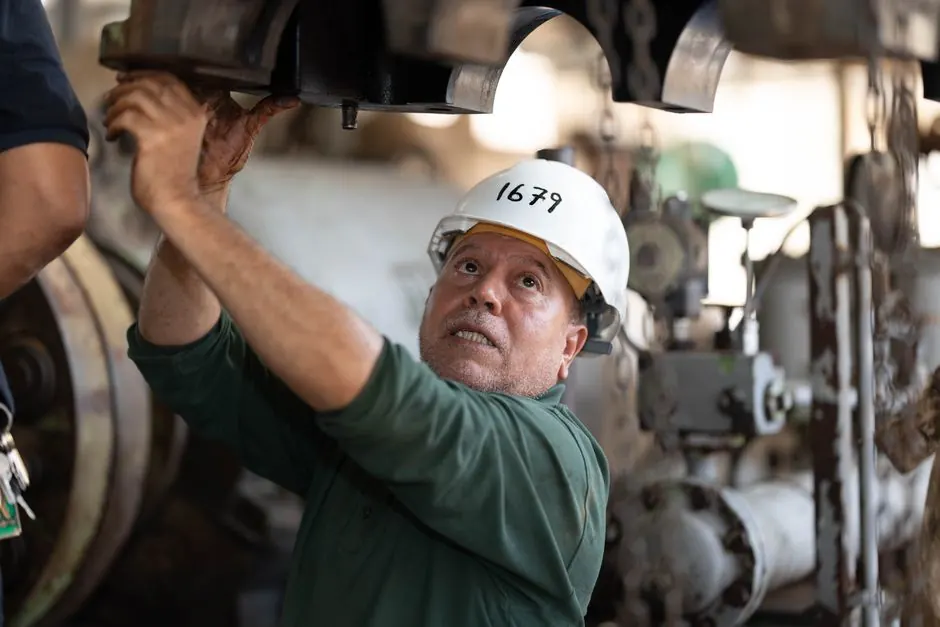
Commercial scope
Gas piping for Kyle businesses
Commercial gas work covers the fuel piping that businesses depend on daily: service lines, distribution piping, appliance connections, and the shutoffs, regulators, and safety devices around them. The stakes differ from residential — higher BTU loads, stricter code provisions, health department and fire marshal oversight, and the constant pressure of downtime. We plan commercial projects around all of it, so the gas work never becomes the reason you can't open.
Kyle's commercial growth along I-35 keeps our crews busy: new restaurants fitting out spaces, retail centers expanding, offices converting, and established properties upgrading equipment the original piping was never sized for. Fast growth means fast timelines, and we work at that speed without cutting the corners that fail inspections.
! Commercial warning signs
Pressure drops when the kitchen is busy
If burners weaken during the dinner rush or rooftop units struggle on cold mornings, the piping is undersized or restricted — the system can't carry peak load. That's lost revenue disguised as a mechanical quirk.
Piping that predates current code
Older commercial buildings along Kyle's corridors often carry gas piping installed to long-superseded standards — sometimes modified by three successive tenants. It worked until the inspector looked closely.
An inspection holding up your opening
Health department, fire marshal, or building inspectors flag gas deficiencies that must be corrected before occupancy or licensing. We fix cited items to code and document everything for the re-inspection.
What commercial service includes
Built for business properties
Every commercial project starts with the building's reality — equipment inventory, operating hours, inspection history — and ends with documented, inspected, code-compliant piping. No residential shortcuts applied to commercial loads.
-
01
Commercial load engineering
We total connected BTU across all equipment with proper diversity factors, so the system carries Friday dinner rush — every burner, every fryer, every rooftop unit — without pressure drop.
-
02
New installations and build-outs
Gas piping for new construction and tenant improvements: from the building main to each appliance, installed to commercial code provisions with the documentation inspectors expect.
-
03
Repairs and capacity upgrades
Leak repairs, damaged section renewal, and upsizing when new equipment outgrows the original piping — phased to keep you operating wherever possible.
-
04
Inspection and compliance support
We correct cited deficiencies and provide the documentation package — as-builts, test records, material specs — that gets inspectors to sign off.
Why it matters for your business
Proper commercial gas piping protects the two things a business can't afford to lose: operating hours and its license to operate. Failed inspections delay openings, undersized piping throttles your kitchen at peak, and unpermitted work becomes a liability at sale or lease renewal. Done right, the gas system is the part of your build-out you never think about again.
Contact us nowCommercial-grade methods
Engineered sizing tables
Commercial loads demand real math: pipe diameters for high-BTU equipment across long runs with multiple branches — calculated, not estimated.
Digital manometers
Precise pressure readings at equipment connections under full operating load — proving the system delivers when it counts.
Leak survey instruments
Every joint, valve, and connection surveyed after service work — commercial spaces have too many connections to check by nose.
Large-diameter tooling
Threading and grooving equipment for the two-inch-plus pipe that commercial work requires — the right tools for the scale.
Working Kyle's commercial corridors
Commercial gas work in a boom corridor city means moving at business speed: tenant improvement schedules measured in weeks, restaurant openings with hard dates, retail landlords coordinating multiple trades. We plan commercial gas scopes with that urgency built in — phased work, off-hours scheduling, and documentation packages that anticipate what inspectors ask for.
The other half of Kyle's commercial stock tells a different story: older buildings where each tenant modified the gas piping a little, leaving a patchwork that no single drawing describes. Before quoting work on these properties, we survey what's actually installed — sizes, materials, shutoff locations — because pricing the drawing instead of the reality is how commercial projects go wrong.
Commercial areas we serve
- • I-35 Commercial Corridor
- • Downtown Kyle
- • Plum Creek Commercial
- • Lehman Road Area
- • San Marcos Outlets Area
Before & after
Commercial codes, inspections, and Kyle
Commercial gas piping answers to more authorities than residential: the fuel gas code's commercial provisions, plus health department requirements for food service, fire marshal review for many occupancies, and the building inspector's sign-off. A project that satisfies one can still stall on another — which is why we design commercial work with every inspector in mind from day one.
Tenant improvements dominate Kyle's commercial gas workload as new businesses fill I-35 corridor spaces. The property owner, the general contractor, the health department, and the inspector all need to agree on the gas scope — pipe sizes, routing, appliance connections, test results. We document commercial scopes in writing so the package survives every review and becomes part of the property's permanent records.
Existing buildings need the survey-first approach. A restaurant space that's housed multiple concepts may have piping modified each time — sometimes well, sometimes creatively. We verify actual installed conditions before quoting: real pipe sizes, real shutoff locations, real materials. That survey is what lets us price the true scope and schedule the true timeline.
Downtime planning is where commercial work diverges most from residential. A home tolerates a half-day outage; a restaurant can't lose Friday service. We schedule in the windows that cost you least, phase larger projects to keep parts of the operation live, and for urgent failures we stabilize first and schedule the permanent fix around your hours. Safe, code-compliant piping with minimum interruption — that's the entire job description.
- ▸Commercial work must satisfy fuel gas code, health department, and fire marshal requirements together.
- ▸Tenant build-out scopes need written documentation every party and inspector can agree on.
- ▸Older commercial buildings get surveyed before quoting — successive tenants modify piping.
- ▸Phased scheduling around operating hours keeps revenue flowing during the project.
Commercial support, Kyle businesses
Gas work that respects business hours
We know gas work has to fit around revenue. Commercial projects get scheduled in the windows that hurt least — early mornings, off-days, phased sections — with clear communication about what's happening when. You'll always know the plan before we start.
For urgent commercial gas problems, the priority is getting the business safe: isolate the issue, make the scene secure, then plan the permanent fix around operations. Safety first, revenue a close second, and never one at the expense of the other.
How commercial service proceeds
Survey and load review
We walk the property, inventory every gas appliance with its BTU rating, review existing piping and inspection history, and identify constraints — access, operating hours, other trades.
Engineered plan
Piping sized for the real commercial load, routing planned around structure and operations, permits identified, and a written scope with timeline you can hold us to.
Phased execution
Work proceeds in phases that respect business hours — proper materials, supports, shutoffs, and safety devices, installed to commercial code provisions.
Testing and records
Pressure testing, leak surveys of every connection, equipment verified under actual load, and the documentation package: as-builts, test records, inspection sign-offs.
What drives commercial project scope
Commercial projects vary more than residential because scale, building, and business type all multiply. What matters is honest scoping: the pipe diameters and total length the load requires, how the building's access and your hours shape the work plan, and what the inspection authorities will demand. We scope all three in writing before quoting, so the number you approve is the number that holds.
Pipe size and length
Commercial loads often need two-inch pipe and larger across long runs — materials and labor scale with diameter, and the sizing math justifies every inch.
Access and phasing
Active businesses, shared walls, other trades on site, and off-hours requirements shape the schedule — planned phasing keeps everyone working.
Inspection requirements
Commercial work faces stricter scrutiny; bringing older piping to current code and documenting everything is part of the scope, not an extra.
A crew that speaks business
Commercial gas isn't residential work with bigger pipe — it's a different discipline with its own codes, load math, inspection landscape, and downtime economics. We work in that discipline daily: engineered sizing, documented scopes, phased execution, and inspectors who recognize our paperwork. Your business gets gas piping that opens on time and stays open.
Call (512) 877-2446Frequently asked questions
How is commercial gas piping different from residential?
Scale and scrutiny: much larger BTU loads, larger pipe diameters, stricter code provisions, and multiple inspection authorities (building, health, fire marshal). The load calculations, documentation, and scheduling all operate at a commercial level — which is why commercial work needs commercial specialists.
Can you pipe gas for a new restaurant tenant space?
Yes — tenant build-outs are core commercial work. We extend gas from the building's main to the new kitchen, size for the cooking equipment's actual load, coordinate with your general contractor's schedule, and deliver the documentation package the health department and building inspector expect.
How do you keep our business running during gas work?
Phased scheduling around your operating hours, isolating work zones so unaffected areas stay live, off-hours work for the disruptive phases, and clear daily communication. For urgent problems, we stabilize first — making it safe — then schedule the permanent fix when it costs you least.
An inspector flagged our gas piping — what now?
Send us the deficiency list. We'll survey the cited items, correct each to current code, and assemble the documentation for re-inspection — test records, material specs, as-builts. Most flagged items are correctable without drama when handled by people who speak inspector.
Do commercial kitchens need special gas considerations?
Yes: high simultaneous BTU demand (everything firing at once during rush), specific shutoff and interlock requirements, and ventilation interconnections in many jurisdictions. The piping must carry the true peak load — not the average — which is why commercial kitchen sizing starts with the equipment schedule, not a guess.
Can you service gas lines to rooftop units?
Yes. Rooftop heating units are standard in Kyle's commercial buildings, and their gas supplies — lines, shutoffs, and connections — need the same professional attention as kitchen piping. We service, repair, and verify rooftop gas runs including proper support and weather protection.
How often should commercial gas piping be inspected?
Annually is the sensible baseline for most commercial properties; food-service establishments with heavy daily use benefit from more frequent checks. Regular inspection catches the small issues — weeping joints, corroding supports, aging connectors — before they become downtime or failed inspections.
Keep your business on gas
Don't let gas piping slow your opening, throttle your kitchen, or fail your inspection. Contact us to scope your Kyle commercial gas project — engineered, documented, and scheduled around your business.