Gas Line Installation Kyle TX
Adding a gas appliance, an outdoor kitchen, a pool heater — or building out a new space — starts with one decision that affects everything downstream: the gas line. Installed right, with correct sizing and proper materials, a new gas line serves for decades without a second thought. Installed wrong, it starves appliances, fails inspections, and gets redone. We do it right the first time: planned, permitted, pressure-tested, and documented.
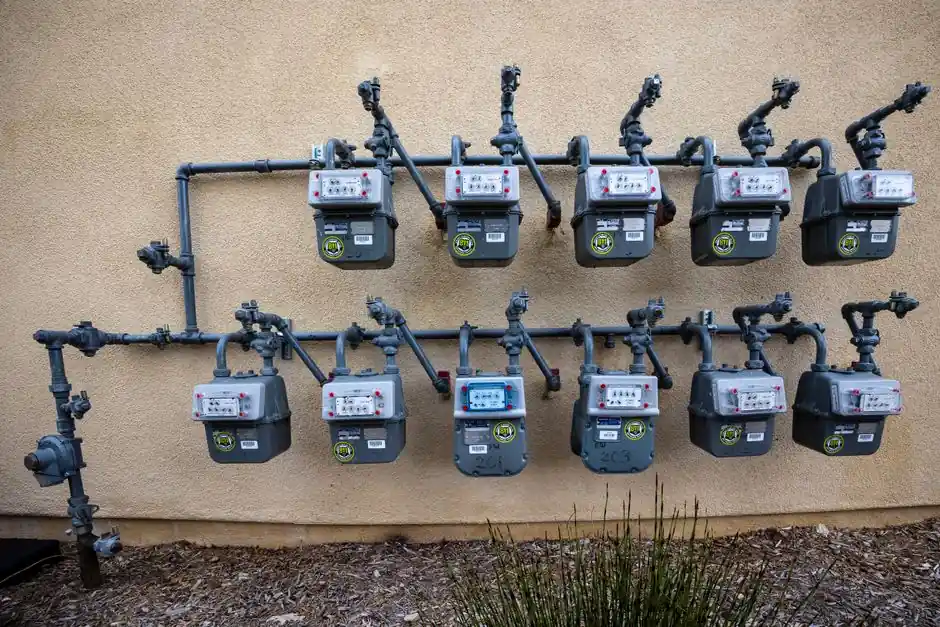
How we install
New gas lines, planned properly
Gas line installation is the complete process of extending or creating gas piping to serve appliances: routing, sizing, material selection, installation, pressure testing, and inspection. The critical step — and the one most often botched — is sizing: the line must deliver full gas flow with every appliance running at once. We calculate BTU load against developed length and install pipe that handles your actual demand with room to grow, so the new range, the pool heater, and the furnace never compete for fuel.
! Signs you need a new gas line
The new appliance has no gas supply
Converting to a gas range, adding a gas dryer, or installing a pool heater where only electric existed — each needs a new, properly sized run from the system.
Appliances starving for gas
Burners that weaken when the furnace kicks on, or a tankless heater that can't keep up, often mean the existing line is undersized for the load. A new correctly sized run fixes it.
A project that never passed inspection
Unpermitted or DIY gas work found during a remodel or sale needs to be brought to code — usually meaning a proper new installation with permits and inspection.
What an installation includes
From first call to final inspection
Every installation follows the same disciplined sequence: load calculation and routing plan, permits, installation with proper materials and methods, pressure testing, municipal inspection, and appliance connection with operational checks. You approve the plan before work starts and receive documentation when it's done.
-
01
Load and route planning
We total your appliances' BTU demand, measure the developed run length, and size the pipe so everything runs at full capacity simultaneously — with headroom for future additions.
-
02
Permits and code compliance
We pull the required Kyle/Hays County permits and build to current fuel gas code: correct materials, support spacing, shutoff placement, and sediment traps where required.
-
03
Professional installation
Pipe is routed cleanly with proper protection at penetrations, correct joint methods for each material, and shutoffs where you'll actually need them.
-
04
Testing and sign-off
The new line is pressure-tested, inspected, then each appliance is connected, leak-checked, and verified burning correctly before we leave.
Why correct installation matters
A gas line is a decades-long commitment — the one you install today feeds your home for the next forty years. Correct sizing means every appliance performs as designed; correct materials and methods mean the system passes inspection the first time and never gives you a midnight worry. For Kyle's growing families, who add pool heaters, outdoor kitchens, and workshops over the years, installing with growth headroom is the difference between a line that keeps up and one that needs redoing.
Request a quoteMethods and materials
Sizing calculations
BTU load totals against developed length determine pipe diameter — the math that prevents starved appliances. We show our work.
PE for underground
Modern polyethylene for buried runs: corrosion-proof, heat-fused joints, rated for decades — the right material below grade.
Steel and CSST inside
Black steel for exposed runs, properly bonded CSST where flexibility helps — each material used where it performs best.
Pressure testing
Every new installation is pressure-tested before gas flows — the proof, not the promise, that the system is sound.
Installing across Kyle's growth corridor
Kyle's growth means installations of every kind: gas ranges in new subdivisions where builders roughed in only electric, outdoor kitchens and fire features in Plum Creek and Waterleaf backyards, pool heaters for the long swim season, workshop and ADU gas service as families expand their properties. We know the local permit process, the inspectors' expectations, and the practical realities — clay soil trenching, attic routing in Texas heat, keeping a working household running during the project. New lines go in clean, to code, and sized for the family you're becoming, not just the appliances you have today.
Common Kyle installation projects
- • Heatherwilde
- • Plum Creek
- • Cypress Forest
- • Kyle Crossing
Before & after
Installations scheduled around you
Planned work, done when it suits you
Installations are planned projects, so we schedule them at your convenience — and we keep the rest of your home running while we work. Most residential installations complete within the planned window, and you'll know the timeline before we start.
How your installation proceeds
Consultation and load calc
We discuss what you're adding — now and later — total the BTU demand, and propose routing and sizing with honest options.
Permits and preparation
Permits are pulled, materials staged, and the work area prepared. You'll know exactly when gas will be off and for how long.
Install, test, inspect
The line goes in, gets pressure-tested, passes municipal inspection, and each appliance is connected and verified. Documentation follows.
What shapes an installation
Installations are quoted on the actual project: the run length and routing complexity, the materials required, the number of appliance connections, and the permit/inspection scope. A short interior run to a single appliance is the simplest project; a long underground run with multiple connections and hardscape crossings is more involved. Either way, you get an itemized written quote before work begins — and the sizing math that justifies it.
Run length and routing
Longer runs and complex routing (attics, trenches, hardscape crossings) define the labor scope — the plan shows you exactly where the line goes.
Materials
PE underground, steel or CSST inside, plus valves, fittings, and sediment traps — specified in the quote, no substitutions without your approval.
Permits and inspection
Required permits and the inspection process are part of every legitimate installation — handled by us, documented for you.
Installed, inspected, documented
Frequently asked questions
How do I choose who installs my gas line in Kyle?
Verify the basics: insured, pulls permits, inspects their work, and sizes the line with actual load calculations — not rules of thumb. Ask how they size (they should mention BTU totals and developed length) and what the inspection process looks like. Clear answers to both mark a professional.
What does a proper installation give me?
Appliances that perform as designed, a system that passes inspection the first time, capacity for future additions, and documentation that protects you at resale. The alternative — an undersized or unpermitted line — costs more to fix than the original installation would have.
How long does a typical installation take?
Most single-appliance interior runs complete in a day; larger projects with underground trenching take longer. You'll get a realistic timeline with the quote — and we'll tell you upfront how long gas will be off, so you can plan around it.
What materials will you use?
PE for buried sections (corrosion-proof, decades of service), black steel or properly bonded CSST for interior runs — each chosen for where it performs best, all to current code. The quote specifies every material before work starts.
Ready for gas done right?
Contact us for a proper load calculation and an itemized quote. We'll size it right, permit it properly, and install a gas line your Kyle home can grow with.