Gas Line Repair in Kyle
When a gas line fails in your Kyle home, you want two things: the problem fixed safely, and a straight answer about what it takes — no inflated scope, no vague pricing. That's how we do repairs: diagnose precisely, fix what's actually broken to current code, test everything before we leave, and show you exactly what was done. Most repairs are focused, same-day work — not the ordeal people fear.
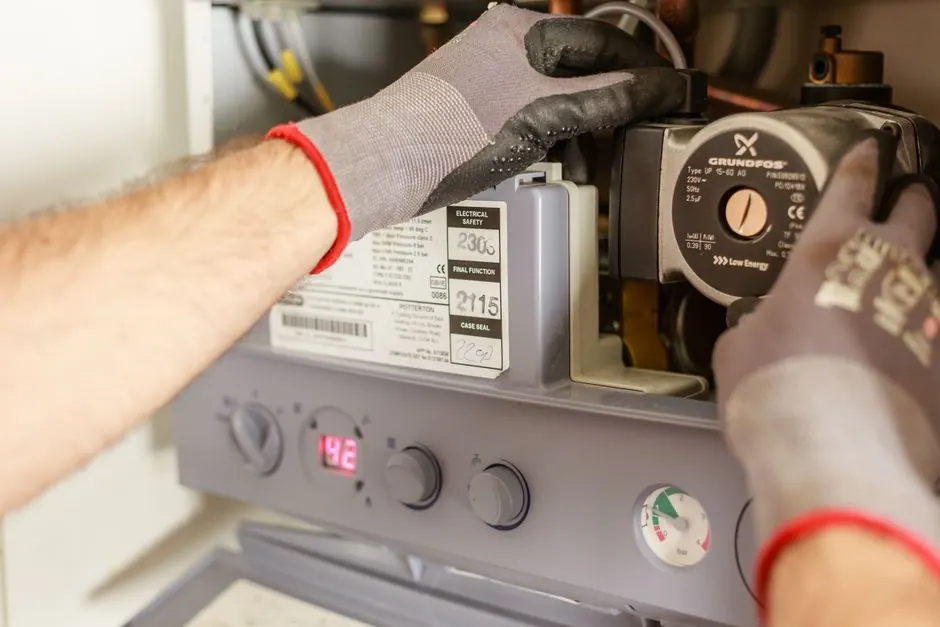
How we approach repairs
Fix what's broken — properly
Gas line repair means restoring a compromised section of your system to safe, code-compliant condition: replacing a failed fitting, renewing a corroded section, swapping a bad connector, resealing a joint that's weeping. The key word is targeted. We find the actual failure — with detectors and pressure testing, not guesswork — repair that failure, and verify the whole system holds before we call it done. You pay for the repair you needed, not the one someone assumed.
! Problems we repair most in Kyle
Weeping joints in settling homes
The number-one repair in Kyle's newer subdivisions: joints loosened as trench backfill and clay soil settled in the first years. Small leaks, precise fixes.
Failed appliance connectors
Kinked, corroded, or simply aged-out flexible connectors behind ranges and dryers — the most common residential leak source, and a straightforward repair.
Corroded transitions
Where steel exits the ground or passes through masonry, moisture attacks first. We cut out the compromised section and renew it with proper protection.
What a repair visit includes
Every repair, done completely
A repair isn't finished when the new fitting is in — it's finished when the system is proven safe. That means diagnosis, repair, pressure verification, appliance relighting and checks, and documentation you can keep.
-
01
Precise diagnosis
Electronic detection plus pressure testing pinpoints the failure before any wrench turns — so we fix the actual problem, not the suspected one.
-
02
Code-compliant repair
Proper materials, correct joint methods, appropriate supports and protection — repaired to current fuel gas code, not just “working again.”
-
03
Valve and connector renewal
Valves that won't operate and connectors past their prime get replaced during the visit — the small items that prevent the next call.
-
04
Testing and documentation
The repaired section — and the system around it — is pressure-tested and every appliance is checked. You get a written record of what was done.
Why proper repair matters
A gas repair done right ends the problem; a shortcut postpones it. Correct materials and methods mean the fix lasts as long as the system around it — and the documentation protects you at resale, with insurance, and for warranty purposes. In Kyle's market, where buyers scrutinize maintenance records, a documented professional repair is an asset, not just an expense.
Contact us nowHow we diagnose and repair
Electronic detector
Finds the exact leaking joint or fitting — critical when the smell and the source are in different places.
Pressure test rig
Proves the repair holds and checks the surrounding sections, so one visit resolves the whole issue.
Pipe and fitting stock
Our trucks carry the common pipe sizes, fittings, valves, and connectors — most repairs finish in a single visit.
Threading and joining tools
For steel repairs: proper threading, correct sealants, and torque done right — the difference between a repair that lasts and one that weeps.
Repair experience across Kyle
Kyle's repair calls follow the area's building history. In the big subdivisions — Plum Creek, Waterleaf, Crosswinds, the I-35 corridor — we fix settling-stressed joints, builder-grade connector failures, and transitions damaged during original grading. In older Kyle pockets, it's corrosion: steel risers and buried sections that have simply aged out. Knowing which failure pattern your neighborhood produces means faster diagnosis and repairs that address the cause, not just the symptom. All work meets current code and gets its required inspection.
Neighborhoods we serve
- • Plum Creek
- • Central Kyle
- • Brookside
- • Cypress Forest
Before & after
Repairs on your schedule — urgencies anytime
Planned repairs, emergency response
Most repairs are scheduled visits at your convenience. But when a repair can't wait — a confirmed leak, a damaged line, a failed valve — our technicians are on call 24/7 across Kyle and Hays County, arriving with full diagnostic and repair gear to make your home safe.
What to expect when we repair
Find and confirm
We locate the failure with detectors and confirm it with pressure testing — you'll know exactly what's wrong before any repair begins.
Repair to code
The failed section is renewed with proper materials and methods, and related weak points (valves, connectors) are addressed in the same visit.
Prove it's safe
Pressure testing, appliance checks, and pilot relighting — the system is verified safe and documented before we leave.
What goes into a repair
Every repair is scoped to the actual failure, and the scope drives everything: a single accessible fitting is the smallest job; a buried corroded section involving excavation is larger. What never changes is the process — diagnose fully, quote transparently in writing, repair to code, test, document. You'll approve the exact scope before work starts, and if diagnosis reveals the problem is bigger than expected, you'll hear that before — not during — the work.
Failure extent
One bad fitting versus a deteriorated section: the repair matches the actual damage, confirmed by testing — never assumed.
Materials
Steel, CSST, PE, and connectors each need their correct repair method and fittings — proper materials, no improvisation.
Access
Exposed interior piping is straightforward; buried, enclosed, or hard-to-reach sections add the labor of careful access and restoration.
Repaired, tested, documented
Frequently asked questions
How do I find a repair service I can trust in Kyle?
Look for the fundamentals: proper insurance, permits pulled and inspections completed, diagnosis with actual testing (not just a glance), and a written quote before work starts. Be wary of anyone who diagnoses a major failure in minutes or pressures an immediate decision — good technicians explain, show you the problem, and let you decide.
What gas line problems do you see most in Kyle?
Settling-stressed joints in the newer subdivisions, failed appliance connectors (the most common residential leak source everywhere), corroded steel transitions where pipe exits the ground, and CSST issues — usually bonding-related — in boom-era homes. Each has a specific, code-compliant fix.
What will my repair involve?
It starts with diagnosis — electronic detection and pressure testing to find every failure point. Then a written quote for the exact scope: what's being repaired, with what materials, including permits and testing. Most single-issue repairs complete in one visit; you'll know the plan before we begin.
When should I call about a repair versus waiting?
Call immediately for anything safety-related: gas odor, hissing, a struck line, a valve that won't operate. Schedule promptly for the non-urgent: a connector that looks corroded, a valve that's getting stiff, an inspection finding you want addressed. Waiting never makes gas problems cheaper — it makes them bigger.
Get your gas line fixed right
Don't compromise on safety. Contact us for a precise diagnosis and a code-compliant repair — done once, done right, and documented for your records.